
Mental Health Counseling in Rochester Hills, MI
Providing compassionate, evidence-based therapy in Rochester Hills, Michigan. We help children, teens, and adults navigate anxiety, depression, trauma, relationship challenges, and life’s transitions so they can heal, grow, and thrive.

How we can help
Anxiety
Support for worry, panic, and stress that feels hard to manage.
Depression
Help with low mood, lost motivation, and feeling stuck.
Trauma
A safe space to work through difficult experiences at your own pace.
OCD
Support for intrusive thoughts and the compulsions that come with them.
Grief
Support through loss, at whatever pace feels right for you.
Teen therapy
A private, respectful space for teens — not talked down to, not lectured.
Children’s therapy
Friendly, comfortable counseling for kids and their families.
Why Families Across Rochester Hills Choose Root & Bloom Therapy
Personalized Care
Every patient has a unique story. We tailor therapy to your goals, strengths, and challenges, creating a treatment plan that meets you where you are.
Evidence-Based Therapy
Our therapists use proven approaches including CBT, DBT, trauma-informed care, and mindfulness-based therapies to help create lasting change.
Supportive Space
We provide a warm, non-judgmental environment where children, teens, and adults can grow with confidence.
Trusted by Patients Across Metro Detroit
The waiting room is really clean and calming. There are snacks, water, and coffee available. As a patient, you will never have to wait long but I bring my daughter and wait for her. It's nice to have a relaxing place to sit. Jordan is professional, welcoming, and gives you all her attention while with her. Highly recommend.
Their team of skilled and compassionate therapists is committed to facilitating positive changes in your life. I have personally interacted with Jordan and Neil Tasker, the founders as well as Jack Rodriguez, an exceptional therapist known for his attentive listening and problem-solving skills. Jordan serves as the lead therapist, while Neil oversee operations. My sessions with Jack have been incredibly beneficial. Whether you are dealing with personal issues or just require a sympathetic listener, reaching out to them could be a pivotal step toward improvement, and I assure you, you will not be disappointed.
Areas of expertise
- Anxiety
- Depression
- Children’s Therapy
- Trauma and PTSD
- Christian Counseling
- Coping Skills
- OCD
- Emotional Disturbance
- Life Transitions
- Peer Relationships
- Self Esteem
- Sports Performance
- Stress
- Codependency
- Women’s Issues
- And More
Types of therapy
- Cognitive Behavioral (CBT)
- Dialectical Behavior (DBT)
- Gottman Method
- Motivational Interviewing
- Rational Emotive Behavior (REBT)
- Reality Therapy
- Solution Focused Brief (SFBT)
Therapy for kids, made friendly
Counseling for kids in Rochester Hills that feels friendly instead of scary. Meet Sprout, then learn how we help children work through worries, big feelings, school stress, and changes at home.
- Worries
- Big feelings
- Sleep
- School stress
- Changes at home
- Communication

Meet your therapists
See the whole team →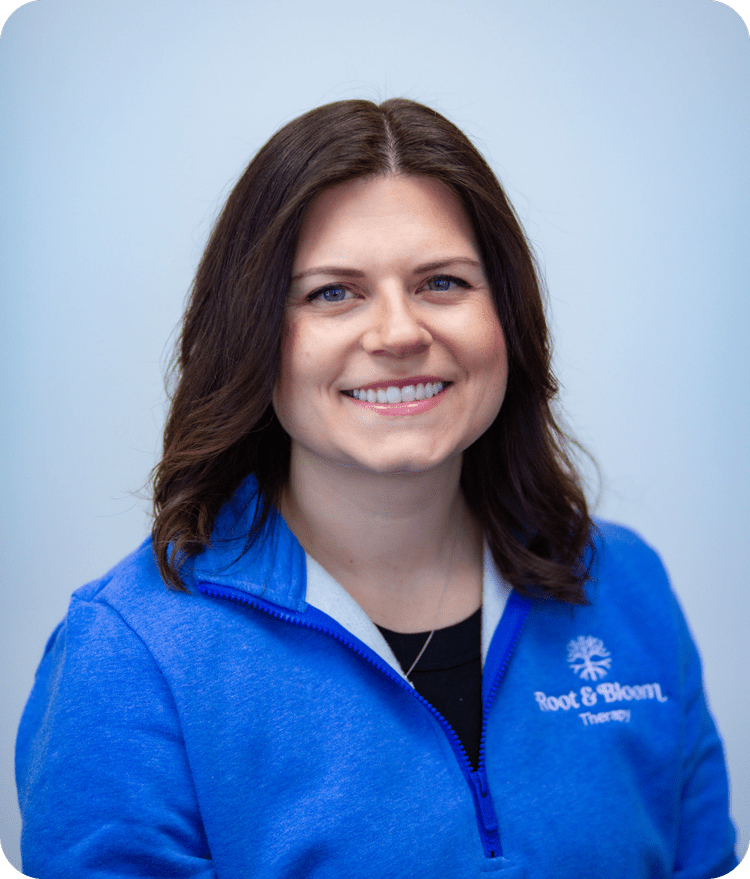
Jordan Tasker
MA, LPC · Founder
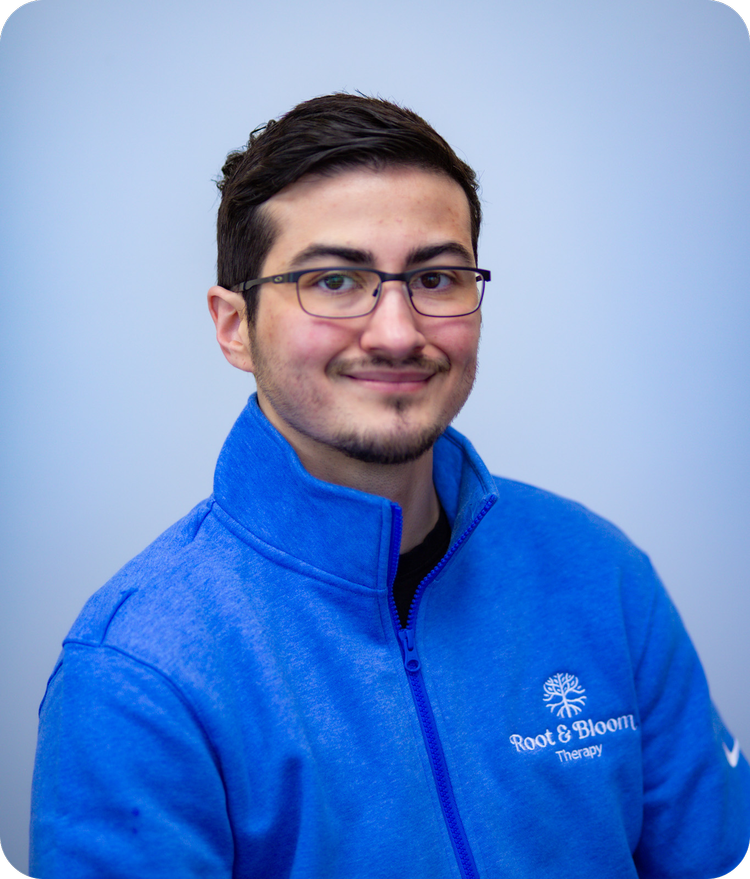
Jack Rodriguez
MA, LPC · Therapist
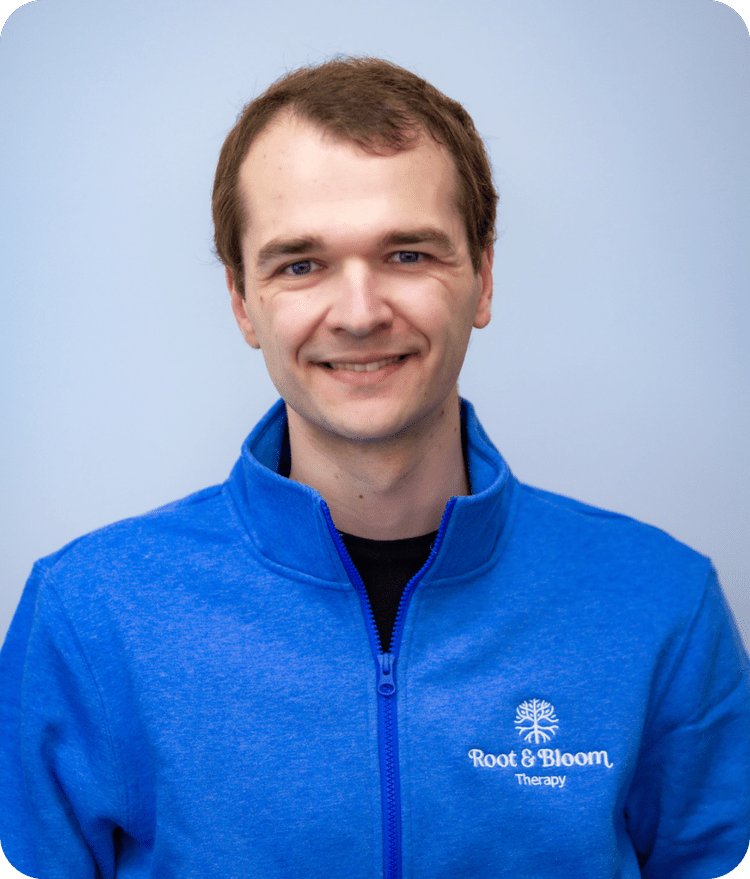
Will Hove
MA, LLPC · Therapist
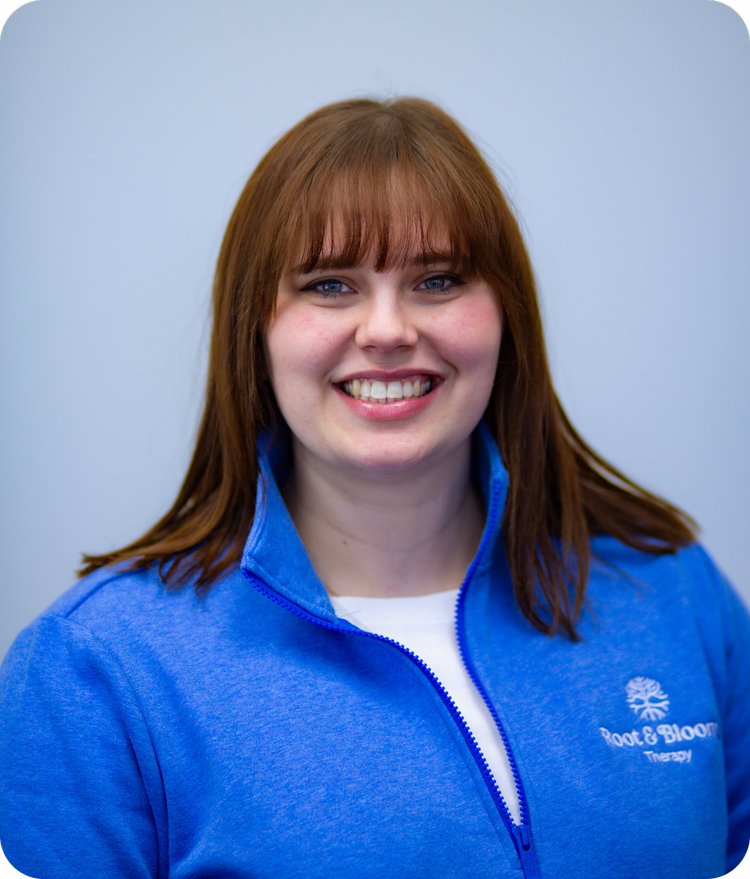
Jackie Janicke
Intern
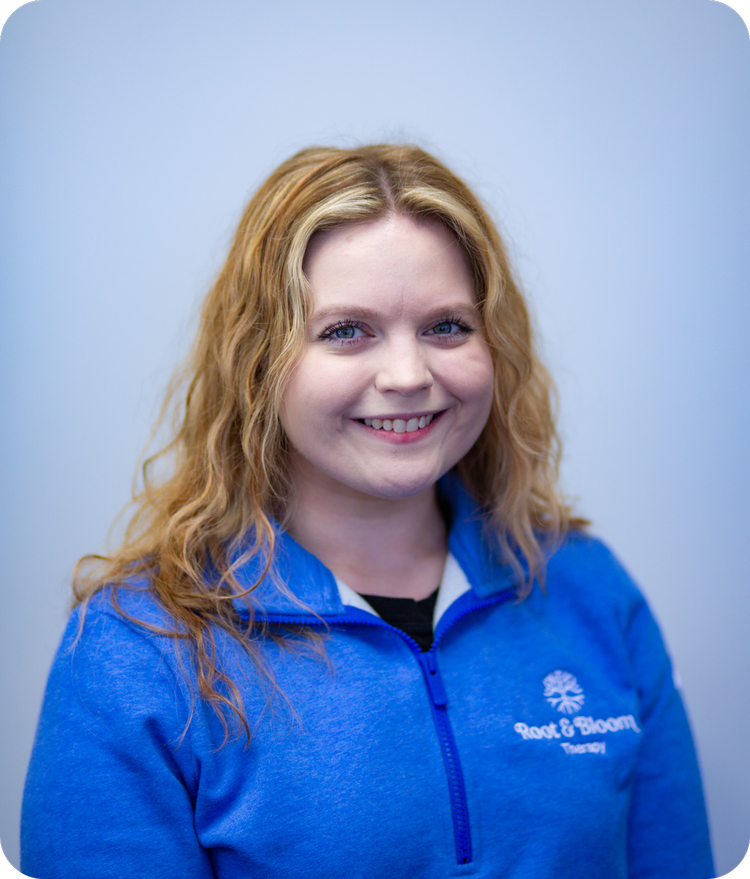
Vanessa Klingenberg
Intern
What to expect in your sessions
Based on your goals, we develop a personalized treatment plan tailored to your needs. Each session follows that plan, so your care stays focused and structured. You’ll be in a comfortable, secure, and safe space where you can freely express your emotions and thoughts.
Open dialogue
Honest conversations where you can share your experiences, feelings, and concerns without fear of judgment.
Active listening
Empathy and understanding, so you feel heard and validated.
Therapeutic techniques
Strategies based on your treatment plan, which could include cognitive-behavioral techniques, mindfulness exercises, or other methods suited to your goals.
Goal setting and progress tracking
Together, we set achievable goals and regularly review your progress.
Homework and practice
Occasionally, activities or exercises to practice between sessions and reinforce the skills you discuss.
Confidentiality and trust
Your sessions are confidential, so you can feel safe discussing sensitive topics.
Support and encouragement
Consistent support as you work through challenges and celebrate your successes.
Insurances we accept




What you might be wondering
How much does therapy cost?
The amount you pay is determined by your insurance coverage. If you are paying privately, a 60-minute session costs $150.
Do you accept Medicaid?
Yes — we accept Medicaid when it’s administered through a managed plan (a Medicaid HMO), rather than Original Medicaid directly. The same applies to Medicare. See the insurances we accept above, or reach out and we can confirm your specific plan.
What ages do you see?
We work with children, teens, and adults, ages 6 and up.
Do you offer telehealth?
Yes — we offer virtual sessions to anyone located in Michigan, in addition to in-person sessions at our Rochester Hills office.
What areas do you serve?
Our office is in Rochester Hills, and we regularly see patients from Rochester, Troy, Auburn Hills, Shelby Township, Lake Orion, Oxford, Clarkston, Bloomfield, Royal Oak, Birmingham, and the wider Metro Detroit area — plus anywhere in Michigan through telehealth.
How soon can I get an appointment?
It varies by therapist, but most people are able to get in within about a week. See each therapist’s real, current openings.
How long will I be in therapy?
The duration of therapy varies for each person and is often determined by your progress toward your goals. There is no set timeframe. Some people reach their objectives in a few sessions, while others benefit from longer-term therapy. Regularly reviewing your progress with your therapist helps determine the right length for you.
How often are sessions?
It depends on your needs, goals, and circumstances. Many people start with weekly sessions, especially at the beginning, which helps build a strong therapeutic relationship and keep momentum. As you make progress, sessions may move to every other week, and later to monthly check-ins to maintain your gains. During times of crisis or severe distress, you might need more frequent sessions for extra support.
How do I know if I need a therapist?
There’s no single sign that means you definitely need therapy — but here are some common ones:
- Persistent feelings of sadness or anxiety
- Difficulty managing daily life
- Unhealthy coping mechanisms
- Loss of interest in activities you once enjoyed
- Relationship issues
- Traumatic experiences
- Physical symptoms linked to emotional stress
- Feeling overwhelmed by life transitions
- A desire for self-improvement
Even if you’re not experiencing severe issues, therapy can help with personal growth, self-awareness, and achieving your goals.
Visit us in Rochester Hills
Rochester Hills, MI 48309
Ready to get started?
Our online scheduling wizard asks a few quick questions and shows you the therapists who fit what you’re looking for.